
-
Why India Is Secular: The Hindu Roots of An Indian Idea
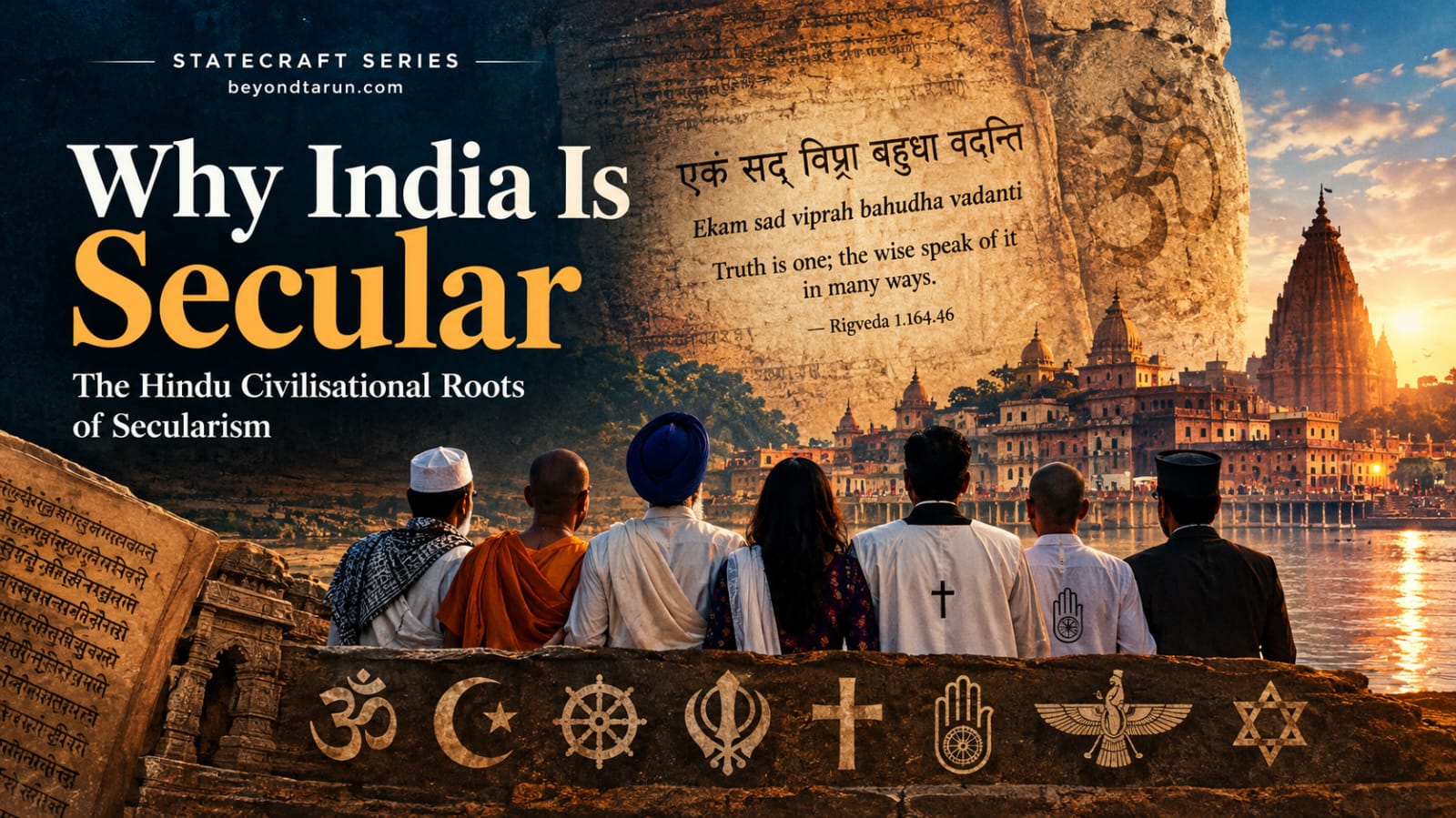
India’s Constitution did not invent its secularism. It inherited it. For thousands of years the dominant tradition of this land has said that truth is one and the paths are many. This essay makes the case that the Hindu way of seeing the world is the deepest reason the Republic could be, and remains, a…
-
Alliances Are Not Friendships

States do not have friends. They have interests, and for as long as two states’ interests point the same direction, they call the arrangement a partnership, an alliance, or a special relationship. The moment those interests diverge, so does the alliance, regardless of how many decades of shared history came before. From the Quincy Agreement…
-
Why Empires Don’t Collapse Overnight ?
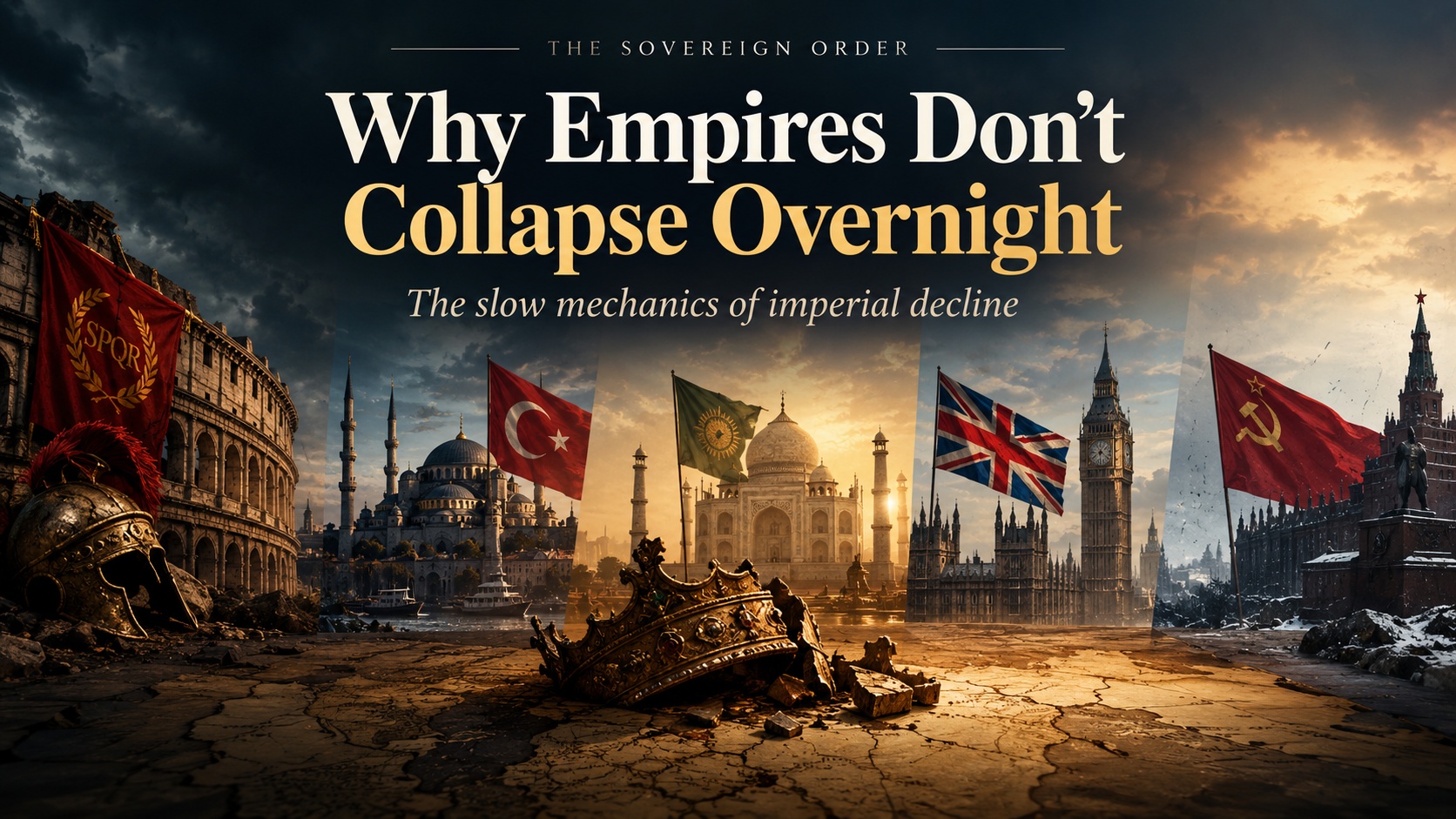
No empire has ever fallen in a single afternoon, however the history books compress it. Rome, the Ottomans, the Mughals, the British, and the Soviets each took decades, sometimes centuries, to unwind. The pattern beneath all five is the same: fiscal exhaustion, legitimacy erosion, elite defection, and military overstretch, working together long before anyone declares…
-
What Makes an Order “Sovereign” ?
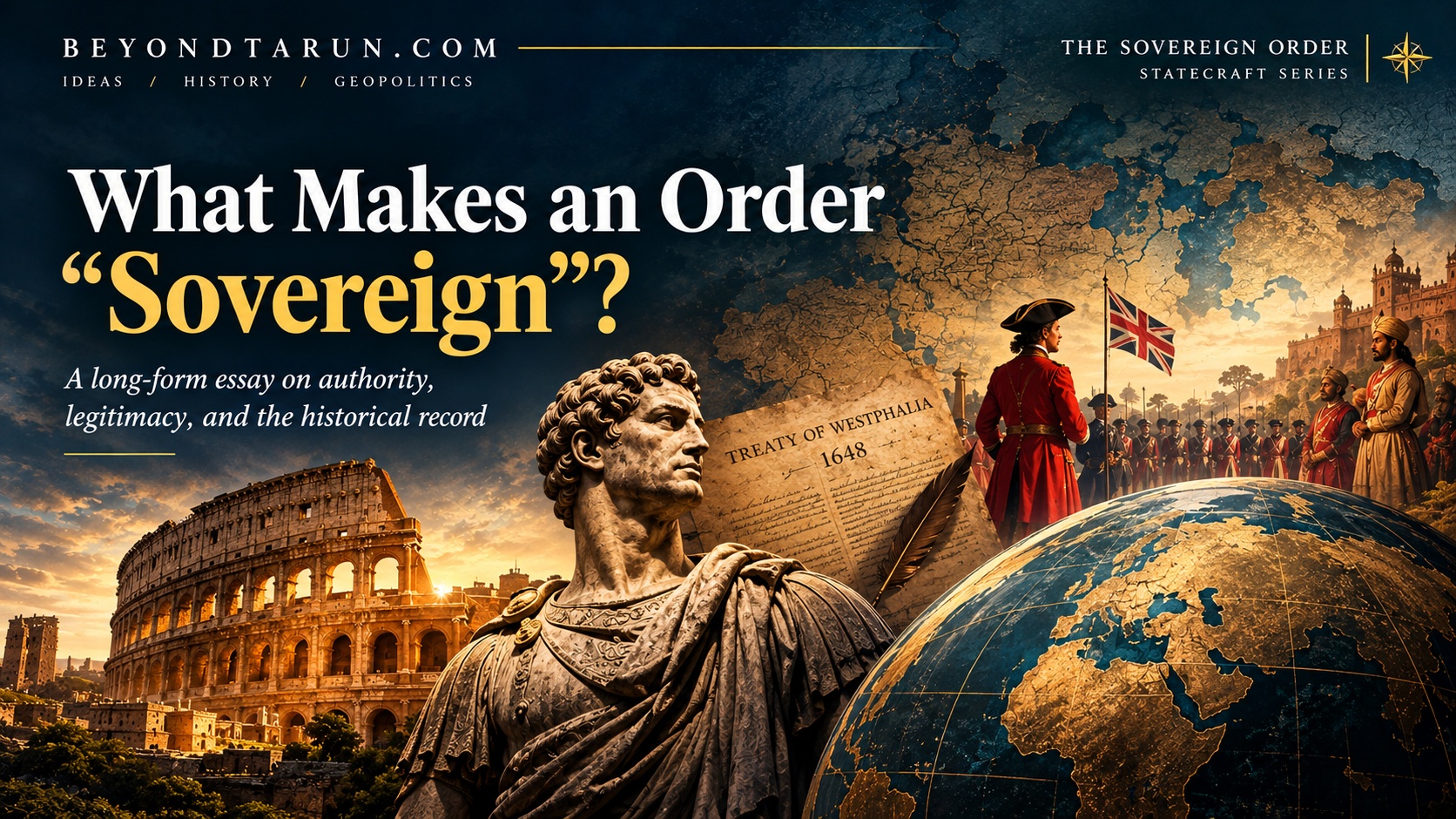
Order and sovereignty are not the same thing. Rome’s citizenship grants, the doctrine of paramountcy over princely India, and the League of Nations mandate system each show what happens when a system has real administrative order but not real sovereignty, and what separates the two turns out to matter as much today as it did…
-
THE THORIUM BET: How India is Betting Its Energy Future
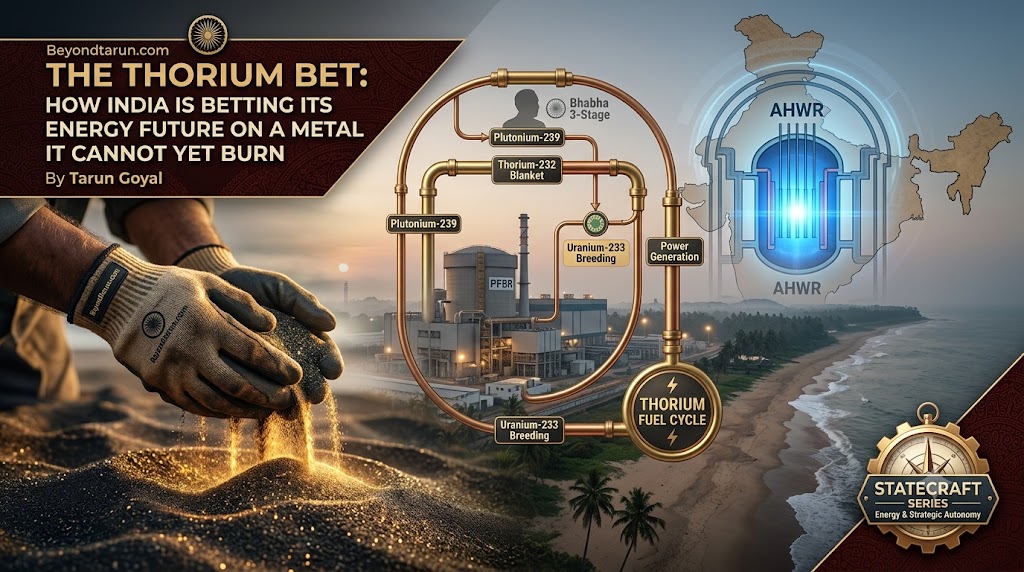
India possesses one of the world’s largest identified thorium resource bases but thorium cannot simply be loaded into a reactor and burned. This article examines India’s seven-decade three-stage nuclear programme, the role of the PFBR at Kalpakkam, the uranium-233 fuel cycle, and the engineering challenges standing between India’s thorium reserves and large-scale nuclear power.
-
BRICS 2026 New Delhi Declaration: India’s Quiet Triumph
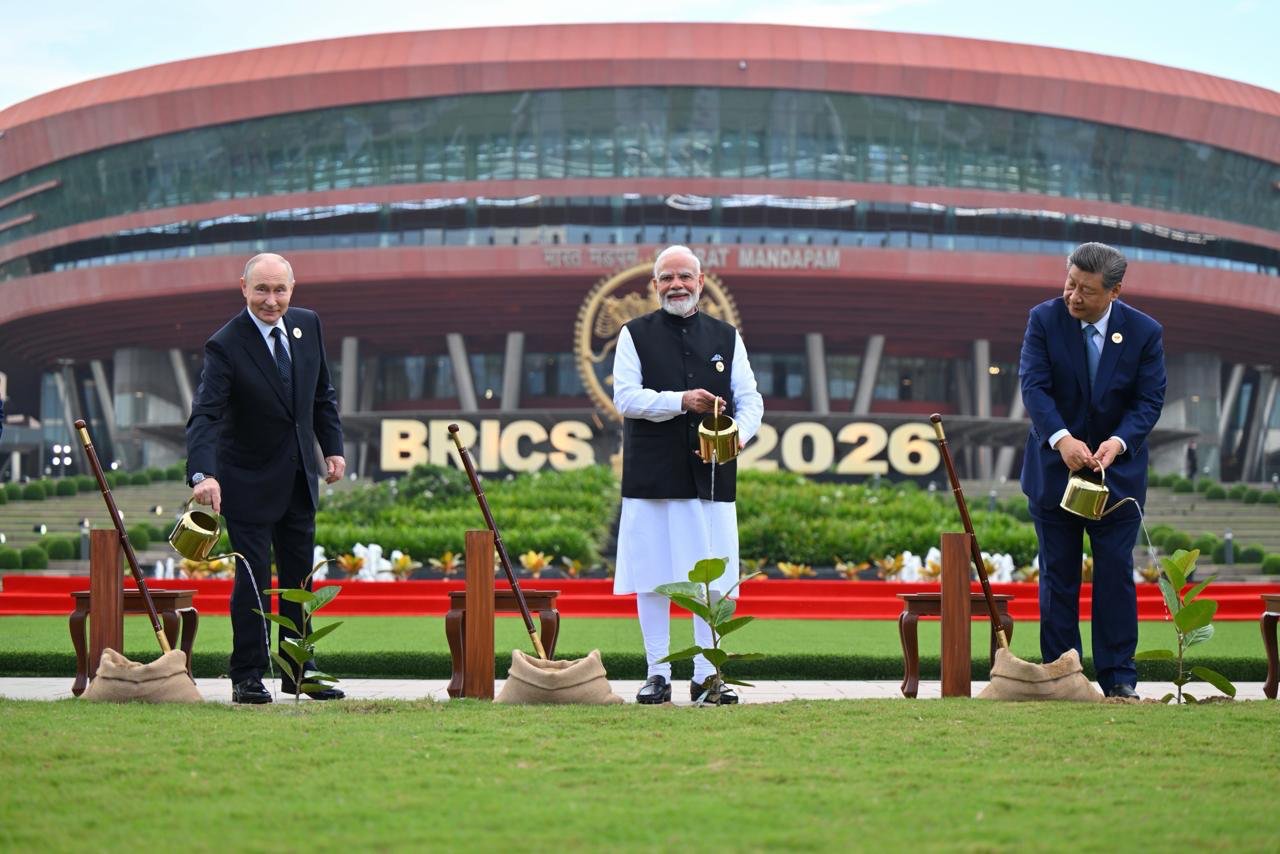
After two failed consensus attempts in 2026, India’s BRICS chairship delivered something few expected: a unanimous, 140-paragraph New Delhi Declaration. Inside it – a written Chinese and Russian reaffirmation of India’s UN Security Council aspirations, an unhedged condemnation of the Jammu and Kashmir terror attack, and a string of quieter wins from GIFT City to…
-
The Fault Lines of BRICS: A House Divided Against Itself
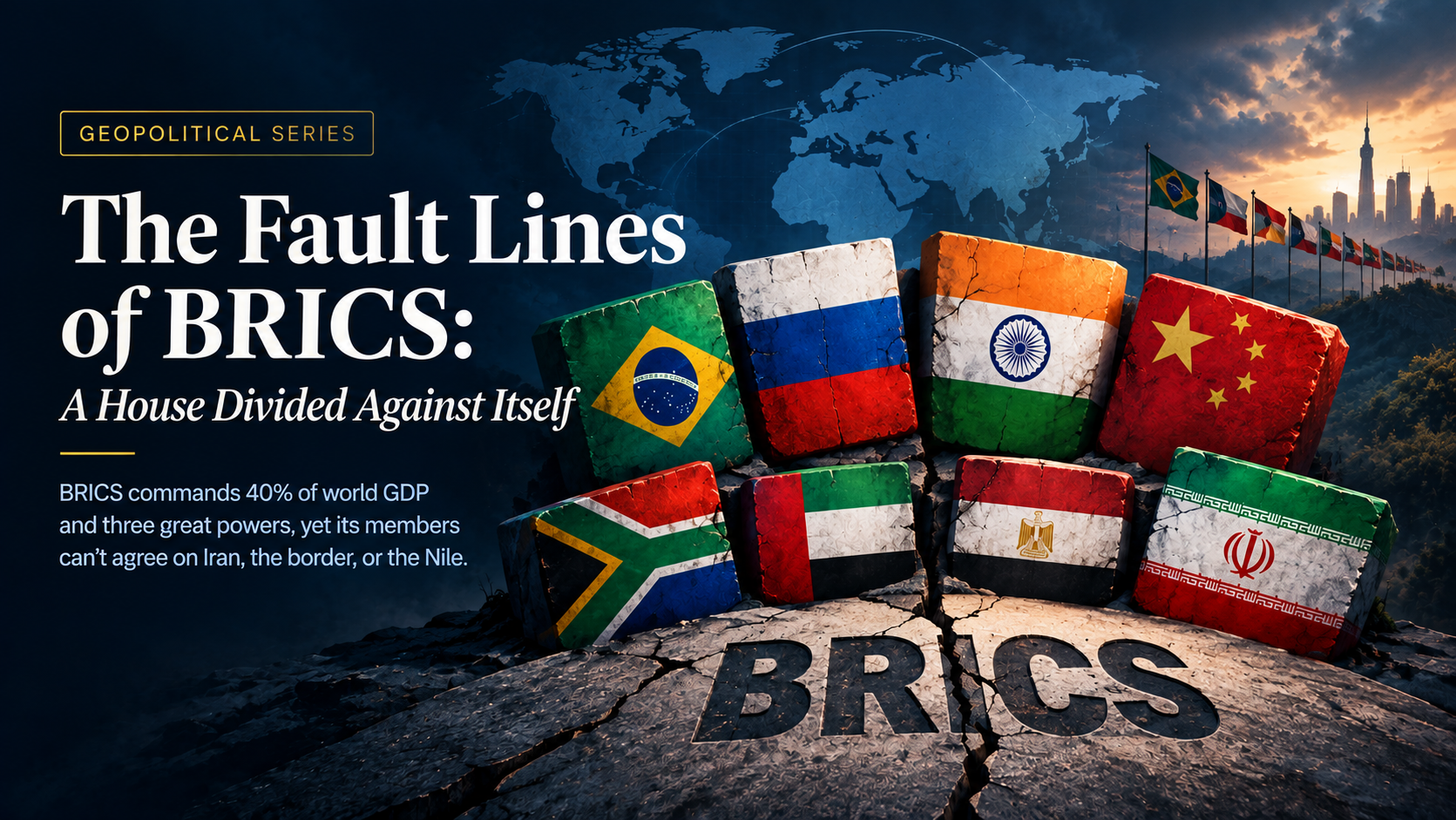
BRICS has the numbers to resemble a new pole of global power: nearly 40% of world GDP, almost half the world’s population, and three major powers at its core. But beneath the summit photographs lies a deeply divided bloc, strained by the India-China border dispute, Gulf rivalries, the Iran question, the Nile dam conflict, and…
-
Pax Indica : The Golden Ages of India and the World That Came to Her Shores
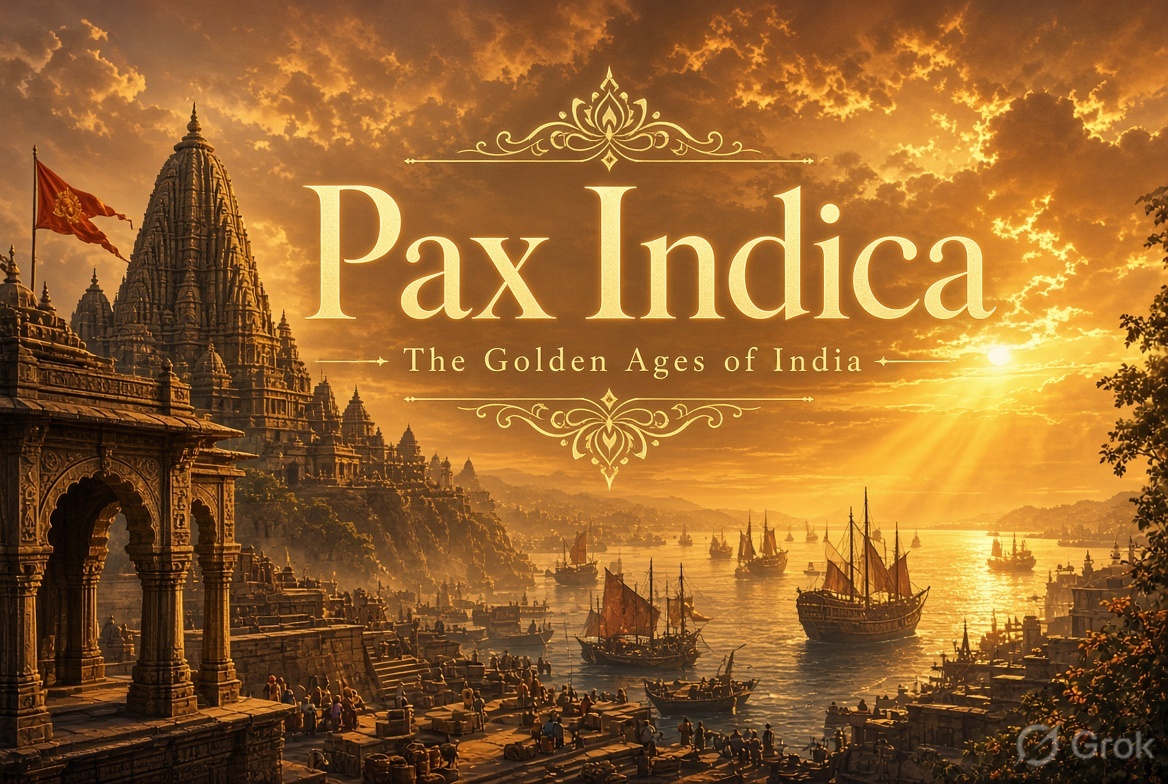
For centuries, India was not a peripheral land on the edge of the world economy but its center – home to vast trade networks, world-class learning, and a reputation for wealth so enduring that scholars, merchants, and refugees kept arriving from every direction. This is the story of how a subcontinent once produced a quarter…