
-
The Silk Route : How One Road Built Empires, Broke Byzantium, and Still Runs the World

The Silk Route | How One Road Built Empires, Broke Byzantium, and Still Runs the World Statecraft Explained · Trade, Empire and Geography The Silk Route Built Empires How one trade corridor made and broke empires for two thousand years, why the fall of Constantinople sent Europe looking for Bharat by sea, and why Beijing…
-
The Architecture of Agreement: The Art, Concepts, and Patterns of Negotiation
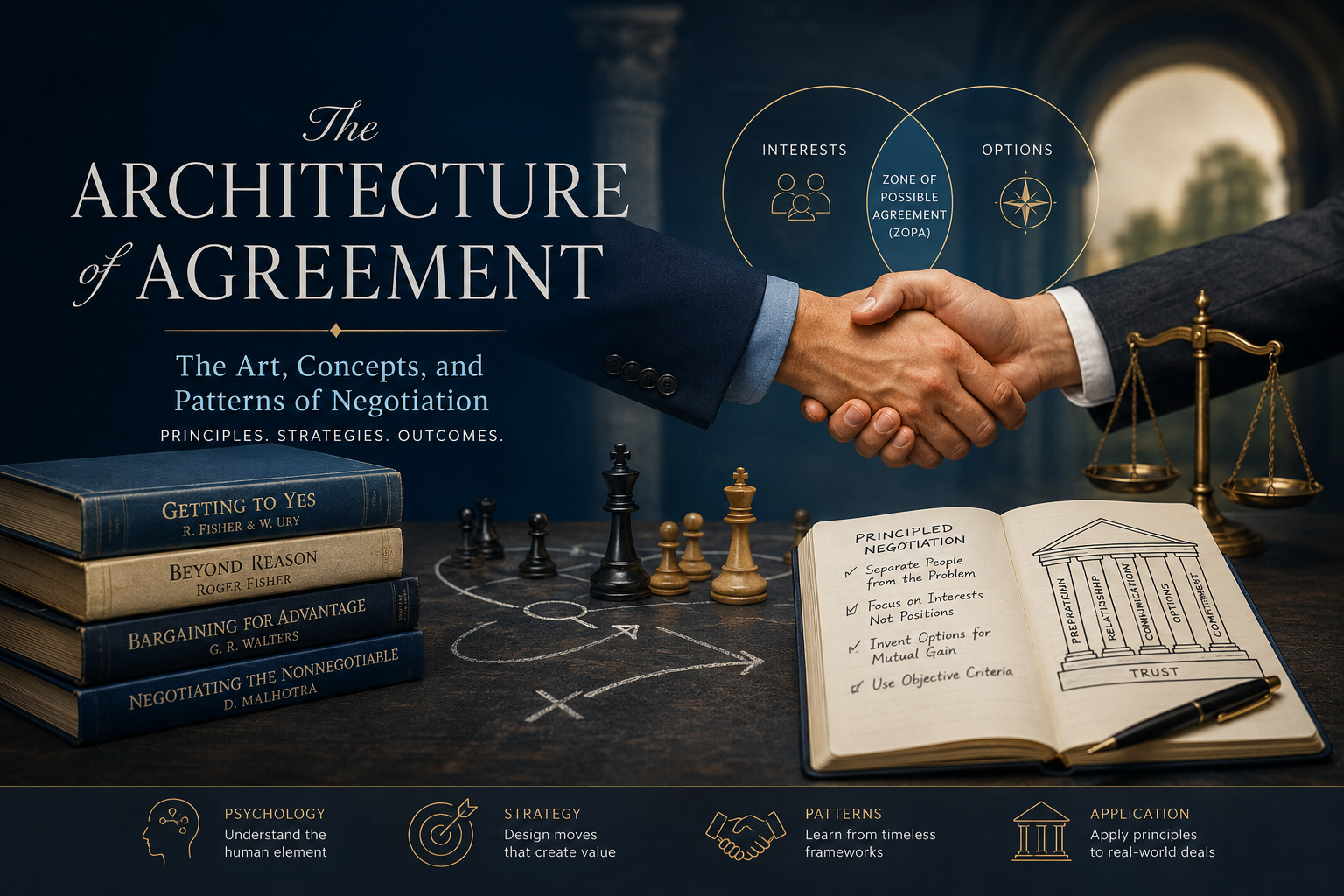
Negotiation is far more than bargaining over price -it is the disciplined process of understanding interests, evaluating alternatives, and creating agreements that leave both sides better off. Drawing on decades of research from Harvard’s Program on Negotiation, Stanford Graduate School of Business, and leading scholars such as Roger Fisher, William Ury, Margaret Neale, and Deepak…
-
Why Negotiation From Weakness Sometimes Wins | The Underdog Playbook of Statecraft
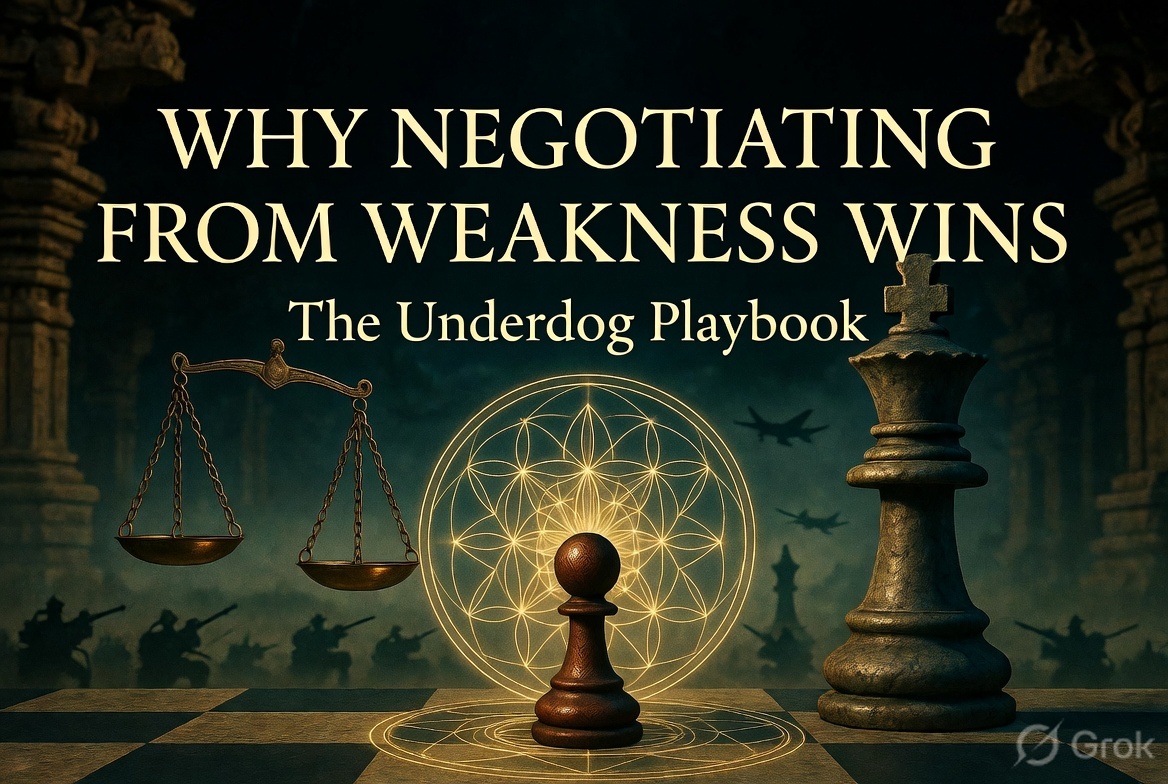
The article discusses strategies utilized by weaker powers to effectively negotiate and prevail against stronger adversaries throughout history. It outlines techniques such as imposing costs on stronger sides, forming strategic alliances, and leveraging broader legitimacy to enhance their positions. The core principle emphasizes that stakes often outweigh raw strength in determining outcomes.
-
Kautilya’s Mandala Theory Explained

Kautilya’s Mandala Theory, rooted in ancient Indian political thought, presents a framework for understanding relationships among states based on geography. Defined in the Arthashastra around the fourth century BCE, it suggests that neighboring rulers are natural enemies (Ari), while distant rulers can be natural allies (Mitra). This theory facilitates predictions about alliances and hostilities, emphasizing…
-
Chanakya’s Spycraft
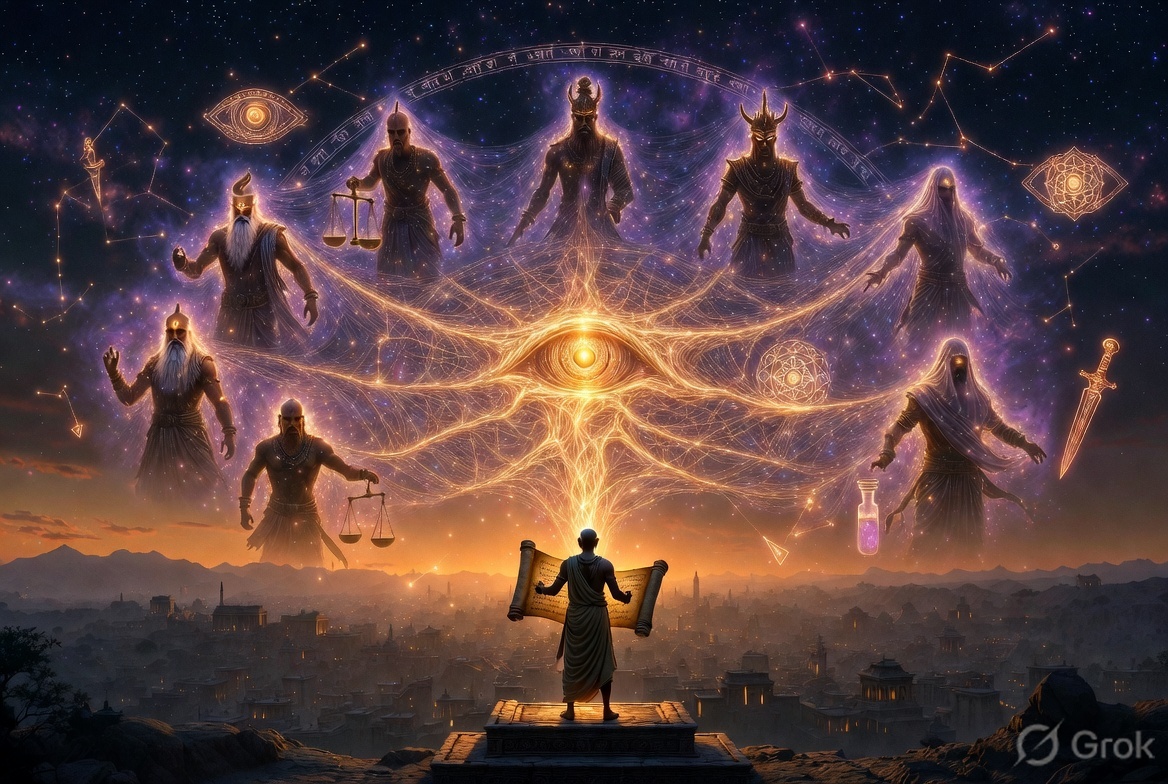
Kautilya, known as Chanakya, established the first formal intelligence service in ancient India through his treatise, the Arthashastra. It outlined a comprehensive espionage system consisting of nine types of spies, loyalty tests, and covert operations. His methods emphasized systematic information gathering and verification, influencing modern intelligence strategies.
-
The Art of the Controlled Enemy

The goal was never to win completely; it was to ensure the game never ends. True statecraft doesn’t destroy a rival—it manages it for permanent advantage. Discover the six hidden techniques behind why smart power, dominant corporations, and global institutions quietly preserve their enemies to maintain internal control and funding.
-
Bound By Fire: The Great Romances That Shaped Indian History

This article explores the significance of romance in Indian history, detailing love stories that reveal societal values over two millennia. It examines various narratives, such as Radha-Krishna’s divine love, Heer-Ranjha’s tragic romance, and the politically powerful partnership of Nur Jahan and Jahangir, highlighting their cultural implications beyond mere entertainment.
-
Not Only Hindu, Not Only Indian: Caste and Caste-Like Hierarchy Across Religions and Continents
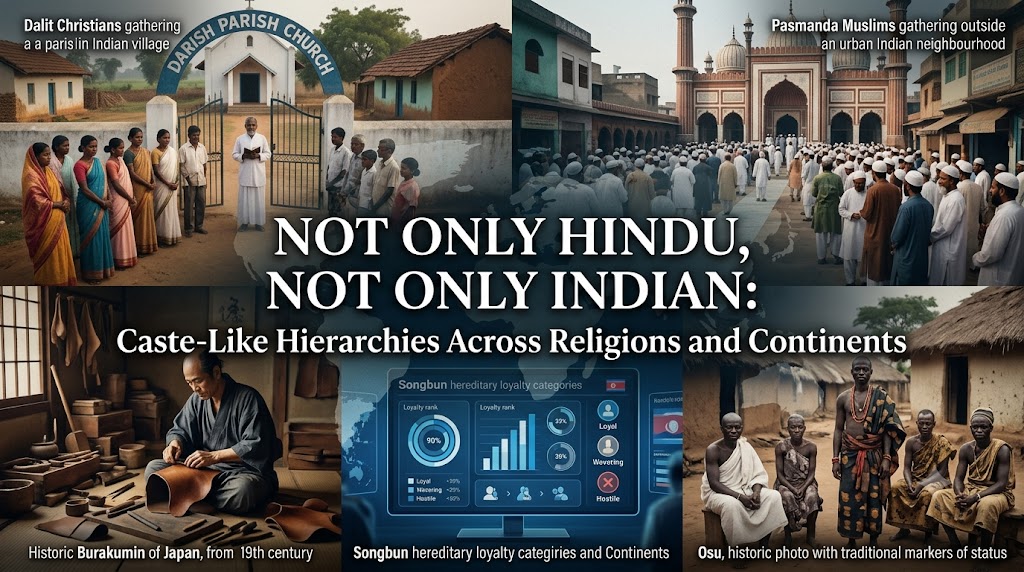
The discussion of caste in India is often framed as an exclusively Hindu theological phenomenon. However, a deeper look at the comparative record reveals that hereditary status hierarchies -complete with endogamy, occupational stigma, and social exclusion – persist independently among South Asian Muslims and Christians, whose founding doctrines explicitly reject them. From the Pasmanda movements…